
COVID-19 / Malicious Medical Quackery
Cultivate Nosocomephobia and iatrophobia. Spread ‘vaccine hesitancy’! How Bad is My Batch? Enter your batch number(s) and find out. Then take action and purge yourself of this shit to the extent possible. It’s do-able!
If you know someone injured by the jabs, direct them to humanitysuit.com to become a plaintiff. Another great legal resource is: Freedom Council https://freedomcounsel.org; For Vaccine Exemptions: https://www.sirillp.com/vaccine-exemption-attorneys/ .
RESOURCE: VACCINE INFO COURSE All material from the course has been transferred to telegram. You can access everything here]
DIED SUDDENLY: Official Documentary Film [1:17:21]
Inside mRNA Vaccines – The Movie [1:00:59]
Premiered Aug 11, 2025
This film explores the unprecedented global rollout of mRNA vaccine technology. www.insidemrnavaccines.com
00:00 Intro
02:53 Surgeon Joel Wallskog’s health issues
06:21 Operation Warp Speed initiative
06:38 Former CDC Director on mRNA vaccines
07:35 Regulators’ safety assessment
08:09 Calls to pause mRNA vaccines
09:32 mRNA researcher Robert Malone
12:56 Pathologist Ryan Cole on COVID vaccination
14:14 Cardiologist Aseem Malhotra on heart health
14:37 Cardiologist Peter McCullough on side effects
17:28 Scientist Jessica Rose on vaccine concerns
18:41 Critical care specialist Paul Marik on patient community
21:17 Explaining mRNA
23:45 How mRNA vaccines work
27:06 Spike protein and possible effects
30:57 Pathologist Arne Burkhardt’s biopsy findings
32:49 Health agencies’ safety stance
33:38 Vaccination in pregnancy and children
34:22 Artist Jessica Sutta’s health issues
39:03 Future uses of mRNA technology
42:55 Tobie Vergara’s health issues
45:12 History of mRNA vaccines
46:44 Modified mRNA technology
48:40 mRNA research status in 2017
49:07 Toxicity concerns in 2017
49:33 Progress in mRNA technology
49:50 mRNA vaccines during the pandemic
55:41 Support for post-vaccination syndrome
57:06 Doctors offering assistance
[Ed.: Other vaccine controversies include:
1. How the vaccines caused the paralysis of polio
2. How vaccines caused sudden infant death syndrome (SIDS)
3. How vaccines cause brain damage, but we call it autism
4. How we covered up brain damage and made it a mental condition
Bombshell Vax vs. Unvax Study Finally Sees the Light of Day — And the Results Are Staggering
[Ed.: An Inconvenient Study Full Movie [1:20:36]
Here is the link to the documentary An Inconvenient Study, which premiered tonight at the Malibu Film Festival. It is the brilliant true story of the suppression of a vaxed vs unvaxed children’s study and the Henry Ford Health Center–suppressed because it showed over several years 3-6 TIMES the incidence of chronic illness between children who had even ONE childhood vaccine compared with children compared with children who had NO vaccines. PLUS there was ZERO autism, ADHD and a couple of other things in the unvaxed cohort.
Watch the entire video and be sure to share it with everyone you think SHOULD KNOW about what it shows!
BREAKING: Our CENSORED Study Showing mRNA Injections Induce Severe Genetic Disruption Linked to Cancer and Chronic Disease Is Now Peer-Reviewed and Published by Nicolas Hulscher, MPH
We declare a major victory against the Academic Journal Cartel and their PubPeer Mob enforcement apparatus.
DEC 19, 2025 The Focal Points
Finally, we declare a major victory against the Academic Journal Cartel and their PubPeer Mob enforcement apparatus.
Earlier this year, our landmark study—“Synthetic mRNA Vaccines and Transcriptomic Dysregulation: Evidence from New-Onset Adverse Events and Cancers Post-Vaccination”— became one of the most-read and most-downloaded preprints in the world.
Shortly thereafter, it was abruptly withdrawn by MDPI for a vague and unexplained reason:
It was also wiped from ResearchGate, leaving no trace of this important study behind.
We identified that this unethical removal was likely the result of coordinated Bio-Pharmaceutical Complex pressure and PubPeer mob attacks, intended to shield the deadly mRNA platform.
Their efforts have failed miserably.
Now, our landmark study — Synthetic messenger RNA vaccines and transcriptomic dysregulation: Evidence from new-onset adverse events and cancers post-vaccination — documenting severe, long-lasting transcriptomic disruption following COVID-19 mRNA injections has been officially peer-reviewed and published in the World Journal of Experimental Medicine, a PubMed.gov indexed journal.
The study was conducted by scientists from Neo7Bioscience (Dr. John Catanzaro, Dr. Natalia von Ranke, Dr. Wei Zhang, Dr. Philipp Anokin), the McCullough Foundation (Dr. Peter McCullough and Nicolas Hulscher) and Medicinal Genomics (Kevin McKernan).
Using high-resolution RNA sequencing of blood samples and differential gene expression analysis, we found that COVID-19 “vaccines” severely disrupted the expression of thousands of genes—inducing mitochondrial failure, immune system reprogramming, and oncogenic activation that persisted for months to years after injection.
METHODS
The study analyzed whole blood RNA profiles from:
- 3 patients with new-onset adverse events (neurological, cardiovascular, chronic fatigue) following mRNA vaccination
- 7 patients newly diagnosed with cancer post-mRNA vaccination
- 803 healthy controls
Key tools and analyses:
- Bulk RNA sequencing (Illumina NextSeq) of patient blood samples
- DESeq2 for differential gene expression analysis
- Gene Set Enrichment Analysis (GSEA) to identify disrupted biological pathways
- STRING + Cytoscape to visualize protein-protein interaction (PPI) networks of dysregulated genes
FINDINGS
mRNA Vaccines Trigger Transcriptomic Chaos
Both vaccine injured groups showed massive gene dysregulation compared to healthy controls—hundreds of genes up- or down-regulated, especially in pathways tied to:
- Mitochondrial dysfunction
- Protein folding and degradation stress (proteasome pathways)
- Ribosomal overload and nonsense-mediated decay (NMD)
- Chronic systemic inflammation
- Oncogenic activation (MYC) and tumor suppressor suppression (p53, KRAS)
Shared Hallmarks in Both Groups
- Mitochondrial Dysfunction & Oxidative Stress
Complex I disruptions and ROS overproduction—core features of chronic fatigue and neurodegeneration. - Ribosomal Stress & Translational Overdrive
Synthetic mRNA with modified bases (N1-methylpseudouridine) appears to trigger ribosomal overload, translation errors, and RNA surveillance activation. These stress signatures are also consistent with host responses to foreign genetic material, and may reflect reverse transcription of mRNA via endogenous LINE-1 activity, residual plasmid DNA, or vector-derived promoter activity—raising the possibility of persistent transcription or genomic integration. - Proteasome Activation
Likely due to spike protein persistence and accumulation of misfolded proteins. - Endothelial Dysfunction & Coagulopathy
Genes regulating angiogenesis and coagulation were downregulated—mirroring thrombotic complications post-vaccination. - Oncogenic Signals
Activation of MYC, suppression of p53 and KRAS inhibitors, setting the stage for tumor growth.
Cancer Group Shows Additional Red Flags
- Genomic Instability & Epigenetic Reprogramming
Strong upregulation of genes linked to chromatin remodeling, DNA methylation, and nucleosome displacement—hallmarks of early tumorigenesis. - Hyperactivation of Type I Interferon and Toll-like Receptor (TLR) Pathways
Persistent immune system stimulation via TLRs, IRFs, and JAK-STAT—common in both chronic inflammation and cancer immune escape. - ACE2 Downregulation
Both groups showed severe suppression of ACE2, activating the Ang II → AT1R → NF-κB/MAPK cascade—a known tumor-promoting and inflammatory loop.
To our knowledge, this is the first study to show long-term genetic disruption in individuals harmed by the COVID-19 mRNA injections.
These findings strongly suggest:
- mRNA vaccines can induce gene expression profiles consistent with tumor formation and chronic disease
- mRNA-vaccinated individuals may be at heightened risk of cancer, immune dysfunction, and inflammatory disorders
- The synthetic mRNA and long-lasting spike protein appear to create sustained cellular stress that disrupts normal genetic regulation
- Signatures suggest potential genomic integration of vaccine mRNA and/or plasmid DNA
This study’s journey—from record-setting public interest, to coordinated censorship, to eventual peer-reviewed publication—exposes a profound crisis in modern scientific governance.
The attempt to bury this work through preprint withdrawal, platform erasure, and mob-style enforcement did not refute the data. It only confirmed the threat the findings pose to the Bio-Pharmaceutical Complex:
Despite these efforts, the science endured. The data survived independent scrutiny. The manuscript passed external peer review. And the conclusions remain intact.
Now, two things need to happen:
- Immediate market withdrawal of the mRNA injections
- Formal RICO investigations into the Academic Journal Cartel and its PubPeer enforcement apparatus
Epidemiologist and Foundation Administrator, McCullough Foundation
www.mcculloughfnd.org
Please consider following both the McCullough Foundation and my personal account on X (formerly Twitter) for further content.
All 12 Vaccinated vs. Unvaccinated Studies Found the Same Thing: Unvaccinated Children Are Far Healthier NICOLAS HULSCHER, MPH
Epidemiologist Nicolas Hulscher on The HighWire
DEC 19, 2025
I joined Del Bigtree in studio on The HighWire to discuss what the data now make unavoidable: the CDC’s 81-dose hyper-vaccination schedule is driving the modern epidemics of chronic disease and autism.
This was not a philosophical debate or a clash of opinions. We walked through irrefutable, peer-reviewed evidence showing that whenever vaccinated and unvaccinated children are compared directly, the unvaccinated group is far healthier—every single time.
Reanalyzing the Largest Vaccinated vs. Unvaccinated Birth-Cohort Study Ever Conducted
At the center of our discussion was our peer-reviewed reanalysis of the Henry Ford Health System vaccinated vs. unvaccinated birth-cohort study (Lamerato et al.)—the largest and most rigorous comparison of its kind ever conducted.
BREAKING: Peer-Reviewed Reanalysis of the Henry Ford Birth Cohort Study Finds Vaccinated Children Sicker Across All 22 Chronic Disease Categories NICOLAS HULSCHER, MPHDEC 11 Read full story
The original authors relied heavily on Cox proportional hazards models, a time-adjusted approach that can soften absolute disease burden. Even so, nearly all chronic disease outcomes were higher in vaccinated children.
Our reanalysis used direct proportional comparisons, stripping away the smoothing and revealing the full magnitude of the signal.
- All 22 chronic disease categories favored the unvaccinated cohort when proportional disease burden was examined
- Cancer incidence was 54% higher in vaccinated children (0.0102 vs. 0.0066)
- When autism-associated conditions were grouped appropriately—including autism, ADHD, developmental delay, learning disability, speech disorder, neurologic impairment, seizures, and related diagnoses—the vaccinated cohort showed a 549% higher odds of autism-spectrum–associated clinical outcomes
The findings are internally consistent, biologically coherent, and concordant with every prior vaccinated vs. unvaccinated study, all of which show drastically poorer health outcomes among vaccinated children
The 12 Vaccinated vs. Unvaccinated Studies Regulators Ignore
In the McCullough Foundation Autism Report, we compiled all 12 vaccinated vs. unvaccinated pediatric studies currently available. These studies span different populations, countries, study designs, and data sources.
Every single one reports the same overall pattern. Across all 12 studies, unvaccinated children consistently exhibit substantially lower rates of chronic disease, including:
- Autism and other neurodevelopmental disorders
- ADHD, tics, learning and speech disorders
- Asthma, allergies, eczema, and autoimmune conditions
- Chronic ear infections, skin disorders, and gastrointestinal illness
This level of consistency across independent datasets is precisely what epidemiology looks for when assessing causality. It also explains why no federal agency has ever conducted—or endorsed—a fully vaccinated vs. fully unvaccinated safety study.
Flu Shot Failure
We also addressed the persistent failure of seasonal influenza vaccination.
A large Cleveland Clinic cohort study of 53,402 employees followed participants during the 2024–2025 respiratory viral season and found:
- 82.1% of employees were vaccinated against influenza
- Vaccinated individuals had a 27% higher adjusted risk of influenza compared with the unvaccinated state (HR 1.27; 95% CI 1.07–1.51; p = 0.007)
- This corresponded to a negative vaccine effectiveness of −26.9% (95% CI −55.0 to −6.6%), meaning vaccination was associated with increased—not reduced—risk of influenza
When vaccination exposure increases, chronic disease, neurodevelopmental disorders, and inflammatory illness increase with it. When children are unvaccinated, they are measurably healthier across virtually every outcome that matters.
The science needed to confront the chronic disease and autism epidemics already exists. What remains is the willingness to acknowledge it.
Nicolas Hulscher, MPH Epidemiologist and Foundation Administrator, McCullough Foundation
Support our mission: mcculloughfnd.org
Please consider following both the McCullough Foundation and my personal account on X (formerly Twitter) for further content.
NEW STUDY: Resveratrol and Copper Trigger System-Level Collapse of Human Glioblastoma Aggressiveness in Just 12 Days NICOLAS HULSCHER, MPH {Ed.: ”MPH’ means: miles per hour, and don’t ask me what 4000 “FU”s mean on the nattokinase bottle!]
In one of the deadliest human cancers, cheap nutraceuticals produced coordinated suppression of tumor proliferation, cancer hallmarks, immune checkpoints, stemness, and activated intrinsic apoptosis.
DEC 15, 2025 The Focal Points
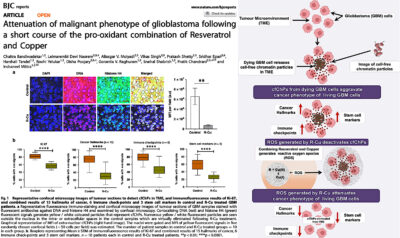
Glioblastoma (GBM) remains one of the most aggressive and lethal human cancers, with a median survival of roughly 15 months despite surgery, radiation, and chemotherapy. In a newly published paper in BJC Reports titled, Attenuation of malignant phenotype of glioblastoma following a short course of the pro-oxidant combination of Resveratrol and Copper, researchers found a short, non-toxic oral intervention that simultaneously suppresses tumor proliferation, cancer hallmarks, immune checkpoints, and stemness — while activating intrinsic tumor cell death.
In a small but carefully controlled pre-surgical “window” study, human glioblastoma patients received resveratrol (5.6 mg) plus copper (560 ng) four times daily for an average of just ~12 days before tumor resection. Tumor tissue was then compared with untreated controls.
The results reveal a system-level attenuation of malignant phenotype: near-eradication of tumor-promoting cell-free chromatin particles (cfChPs)—accompanied by a ~31% reduction in tumor proliferation (Ki-67), suppression of nine cancer hallmarks and cancer stemness, simultaneous down-regulation of six immune checkpoints, and activation of intrinsic apoptosis, all within ~12 days.
This was not a marginal signal. It was a coordinated, system‑level biological shift in one of the deadliest cancers known:
Near‑Elimination of Tumor‑Promoting Cell‑Free Chromatin
Using confocal microscopy, investigators showed that glioblastoma tumors are saturated with extracellular DNA–histone complexes (cfChPs) — debris released from dying cancer cells that can enter neighboring cells and drive DNA damage, inflammation, immune evasion, and malignancy.
After short‑course resveratrol–copper treatment, these cfChPs were virtually absent from the tumor microenvironment. Quantitative analysis showed a highly significant reduction in extranuclear chromatin signal, indicating near‑eradication of this upstream oncogenic driver.
Large Reduction in Tumor Proliferation (Ki‑67)
Ki‑67 is a gold‑standard marker of how aggressively a tumor is dividing.
- Control tumors: 82.1% Ki‑67–positive cells
- R‑Cu treated tumors: 56.7% Ki‑67–positive cells
- p < 0.0001
This represents a ~31% reduction in actively dividing tumor cells after less than two weeks of treatment. A shift of this magnitude suggests a real down‑staging of biological aggressiveness, even in the absence of visible histologic remodeling.
Simultaneous Suppression of 9 Hallmarks of Cancer
The authors examined 15 biomarkers spanning nine canonical hallmarks of cancer (genomic instability, inflammation, angiogenesis, invasion, metabolic reprogramming, etc.).
- 13 of 15 biomarkers were significantly reduced
- Combined hallmark burden dropped by ~50–60%
- p < 0.0001 across the composite analysis
This intervention produced broad, coordinated suppression of malignant behavior.
Collapse of Multiple Immune Checkpoints — All at Once
Six immune checkpoints were assessed:
- PD‑1
- PD‑L1
- TIM‑3
- NKG2A
- CTLA‑4
- LAG‑3
All were significantly down‑regulated in treated tumors (p < 0.0001 overall). Importantly, five of these checkpoints were shown to be expressed on tumor‑infiltrating lymphocytes, confirming biological relevance.
Marked Reduction in Cancer Stemness
Cancer stem cells drive recurrence, resistance, and lethality in GBM.
Three stem cell markers were analyzed:
- CD133
- CD44
- SOX2
All showed highly significant reductions (p < 0.0001), with combined stemness burden dropping by roughly 50–60%.
Massive Transcriptomic Reprogramming
RNA‑seq revealed a distinct transcriptional state in R‑Cu–treated tumors:
- 955 differentially expressed genes
- 870 genes down‑regulated
- Clear clustering separating treated from untreated tumors.
In other words, the treatment didn’t just tweak one pathway — it reprogrammed how the tumor was behaving at the genetic level.
One of the most dramatic changes involved PVRIG-2P, a gene closely related to PD-L1, the immune-evasion signal many cancers use to hide from the immune system. This immune-evasion gene was shut down by millions-fold
Genes control how cancer grows, spreads, hides from immunity, and resists treatment. Seeing this many cancer-related genes switch off at once suggests the tumor’s aggressive programming was being actively dismantled, not merely slowed.
Strong Activation of Intrinsic Tumor Cell Death
Pathway analysis showed robust activation of apoptosis and coordinated cleanup mechanisms:
- Hallmark apoptosis: NES = 2.899, FDR = 0
- Proteasomal degradation pathways: NES up to 3.68
- Increased active caspase‑3
- Reduced Annexin V (consistent with efficient debris clearance)
In other words, after treatment:
- Cancer cells were signaling themselves to shut down and die
- The body’s cellular cleanup machinery was also switched on, breaking down and removing dead cancer cells efficiently
- Key markers showed that cancer cells were dying in an organized, controlled manner, not exploding or spilling toxic debris into surrounding tissue
CONCLUSION
After ~12 days of a non-toxic oral intervention (resveratrol plus copper), glioblastoma tumors demonstrated:
- Near-elimination of tumor-promoting chromatin debris (cfChPs)
- A marked reduction in tumor cell proliferation (Ki-67)
- Suppression of nine core hallmarks of cancer
- Simultaneous down-regulation of six immune checkpoints
- Significant loss of cancer stem cell markers
- Large-scale reprogramming of tumor gene expression
- Activation of organized, intrinsic tumor cell death with efficient cleanup
Together, these findings indicate that a short, non-toxic intervention can biologically “de-escalate” one of the most aggressive human cancers across multiple independent axes of malignancy.
The authors explicitly note that longer trials are urgently needed to determine whether prolonged treatment could push tumors toward a more benign phenotype or improve clinical outcomes.
Nicolas Hulscher, MPH Epidemiologist and Foundation Administrator, McCullough Foundation
Support our mission: mcculloughfnd.org
Please consider following both the McCullough Foundation and my personal account on X (formerly Twitter) for further content.
Nicolas Hulscher, MPH Dec 14, 2025 · FOCAL POINTS (Courageous Discourse)
Colleagues and Readers,
Please take a moment to read this important new article outlining the profound risks that mRNA and other gene-transfer technologies pose to chromosomal stability and heritable human health. As the evidence now shows, mRNA platforms, viral vectors, and CRISPR systems can introduce irreversible genomic damage — including integration events, large-scale structural rearrangements, and germline exposure with transgenerational consequences.
We are currently working on a manuscript to fully elucidate this serious issue.
The Profound Risks of Gene Transfer Technology on Chromosomal Stability
An Irreversible Heritable Harm
Introduction
Gene transfer technologies — viral vectors, CRISPR/Cas9, and mRNA-lipid nanoparticle platforms — introduce foreign genetic material into human cells with the promise of curing disease. In reality, they cause profound, often irreversible damage to chromosomal stability. When these alterations occur in germline cells or reach reproductive tissues, they become permanently inscribed into the human gene pool, condemning unborn generations to inherited genomic fragility, cancer predisposition, and novel genetic disorders. The evidence is no longer theoretical: documented cases of genomic integration, transgenerational transmission of structural variants, and contamination-driven mutagenesis prove that these technologies are already initiating heritable harm on a population scale.
Insertional Mutagenesis from Viral Vectors: Proven Transgenerational Transmission
Retroviral and lentiviral vectors integrate into the host genome and have repeatedly caused insertional oncogenesis. In the landmark SCID-X1 trials, integrations near proto-oncogenes triggered leukemia in multiple patients, with long-term follow-up confirming persistent clonal dominance and secondary malignancies decades later. When similar integrating vectors reach germline cells — as shown in animal models and inadvertent human exposures — the resulting chromosomal lesions are faithfully transmitted to all offspring, creating lineages with permanently elevated cancer risk and genomic instability.
Even adeno-associated virus (AAV) vectors, long claimed to be “non-integrating,” have been repeatedly shown to integrate at low but biologically significant frequencies, particularly in hepatocytes and stem cells, thereby posing a heritable oncogenic risk.
CRISPR-Induced Structural Catastrophes: Permanently Heritable
CRISPR-Cas9 routinely triggers massive on-target structural variations — megabase deletions, chromothripsis, and complex rearrangements — that are transmitted to progeny in every model organism tested, including primates. Off-target effects and p53-mediated selection further enrich for cells harboring dangerous chromosomal abnormalities. In human embryos, these events produce high rates of mosaicism and aneuploidy that become fixed in the germline of resulting individuals [8,9]. Once introduced, there is no mechanism to remove or repair these heritable defects across generations.
mRNA Vaccines: Documented Genomic Integration and Germline Exposure
Despite initial assurances of strict transience, multiple independent laboratories have now proven that both vaccine mRNA and contaminating plasmid DNA can enter the nucleus, undergo reverse transcription, and integrate into the human genome:
- Aldén et al. (2022) demonstrated LINE-1-mediated reverse transcription and integration of Pfizer BNT162b2 mRNA into human liver cell DNA in vitro.
- Catanzaro et al. (2025) provided the first clinical proof in a living patient: next-generation sequencing of tumor and blood from a 31-year-old woman who developed explosive stage IV bladder cancer post-Moderna vaccination revealed integration of a Spike ORF fragment into chromosome 19q13.42 — a fragile genomic region associated with DNA repair defects and oncogenesis.
- von Ranke N, Zhang W, Anokin P, et al. (2025) analyzed transcriptomes from patients with new-onset cancers and severe adverse events after mRNA vaccination and documented widespread genomic instability, persistent spike expression, cGAS-STING activation indicating intracellular DNA damage, and oncogenic signaling consistent with plasmid DNA integration and SV40 promoter-driven dysregulation.
Critically, regulatory biodistribution studies show lipid nanoparticles and their nucleic-acid cargo accumulate in ovaries and testes at levels orders of magnitude above background. Commercial vaccine vials have been independently confirmed to contain residual plasmid DNA — up to 100 billion fragments per dose — including active SV40 promoter/enhancer sequences known to drive nuclear uptake and oncogenesis. These data establish a clear and present pathway for vaccine-derived sequences to enter the germline and initiate heritable chromosomal damage that will be transmitted to all future generations.
Horizontal Gene Transfer and Population-Level Germline Pollution
Engineered sequences introduced at scale do not remain confined. Horizontal gene transfer from gene therapy vectors and GMOs into human microbiota and reproductive tracts has been documented, creating permanent environmental reservoirs from which foreign DNA can continually enter the germline [15,16]. Once integrated, these sequences are propagated indefinitely, progressively degrading chromosomal stability across the entire species.
Conclusion: A Heritable Catastrophe Already in Progress
The era of reckless gene transfer must end. Integrating vectors, CRISPR-induced chromothripsis, and mRNA-vaccine plasmid contamination have crossed the threshold from hypothetical risk to documented, irreversible heritable harm. Future generations will inherit this genomic damage with no possibility of recall or repair.
References
- Hacein-Bey-Abina S, et al. Insertional oncogenesis in 4 patients after retrovirus-mediated gene therapy of SCID-X1. J Clin Invest. 2008;118(9):3132-3150. https://doi.org/10.1172/JCI35700
- Nienhuis AW, et al. Genotoxicity of retroviral integration in hematopoietic cells. Mol Ther. 2006;13(6):1031-1049. https://doi.org/10.1016/j.ymthe.2006.03.001
- Pike-Overzet K, et al. New Insights and Unresolved Issues Regarding Insertional Mutagenesis in X-linked SCID Gene Therapy. Mol Ther. 2017;25(1):1-5. https://doi.org/10.1038/sj.mt.6300297
- Sabatino, D. E., Bushman, F. D., Chandler, R. J., Crystal, R. G., Davidson, B. L., Dolmetsch, R., Eggan, K. C., Gao, G., Gil-Farina, I., Kay, M. A., McCarty, D. M., Montini, E., Ndu, A., & Yuan, J. (2022). Evaluating the state of the science for adeno-associated virus integration: An integrated perspective. Molecular Therapy, 30(8), 2646–2663. https://doi.org/10.1016/j.ymthe.2022.06.004
- Kosicki M, et al. Repair of double-strand breaks induced by CRISPR–Cas9 leads to large deletions and complex rearrangements. Nat Biotechnol. 2018;36:765-771. https://doi.org/10.1038/nbt.4192
- Leibowitz ML, et al. Chromothripsis as an on-target consequence of CRISPR–Cas9 genome editing. Nat Genet. 2021;53(6):895-905. https://doi.org/10.1038/s41588-021-00838-7
- Alanis-Lobato, G., Zohren, J., McCarthy, A., Fogarty, N. M. E., Kubikova, N., Hardman, E., Greco, M., Wells, D., Turner, J. M. A., & Niakan, K. K. (2021). Frequent loss of heterozygosity in CRISPR-Cas9–edited early human embryos. Proceedings of the National Academy of Sciences of the United States of America, 118(22), e2004832117. https://doi.org/10.1073/pnas.2004832117
- Zuccaro MV, et al. Allele-specific chromosome removal in human embryos. Cell. 2020;182:1659-1673. https://doi.org/10.1016/j.cell.2020.10.025
- Aldén M, et al. Intracellular Reverse Transcription of Pfizer BioNTech COVID-19 mRNA Vaccine BNT162b2 In Vitro in Human Liver Cell Line. Curr Issues Mol Biol. 2022;44(3):1115-1126. https://doi.org/10.3390/cimb44030073
- 10.Catanzaro JA, Hulscher N, McCullough PA. Genomic Integration and Molecular Dysregulation in Aggressive Stage IV Bladder Cancer Following COVID-19 mRNA Vaccination. Int J Innov Res Med Sci. 2025;10(10). https://doi.org/10.23958/ijirms/vol10-i10/2130 https://ijirms.in/index.php/ijirms/article/view/2130
- 11.von Ranke N, Zhang W, Anokin P, et al. Synthetic mRNA Vaccines and Transcriptomic Dysregulation: Evidence from New-Onset Adverse Events and Cancers Post-Vaccination. Preprint. July 2025. Available at: https://blog.fdik.org/2025-07/preprints202507_2155_v1.pdf
- 12.Speicher DJ, et al. DNA fragments detected in monovalent and bivalent Pfizer/BioNTech and Moderna mRNA COVID-19 vaccines from Ontario, Canada: Exploratory dose-response relationship with serious adverse events. OSF Preprint. 2024. https://doi.org/10.31219/osf.io/mjc97
- 13.Wijaya, A. J., et al. (2025). Genomic data representations for horizontal gene transfer detection. NAR Genomics and Bioinformatics, 7(4), lqaf165. https://doi.org/10.1093/nargab/lqaf165

Comments
Comments are closed.